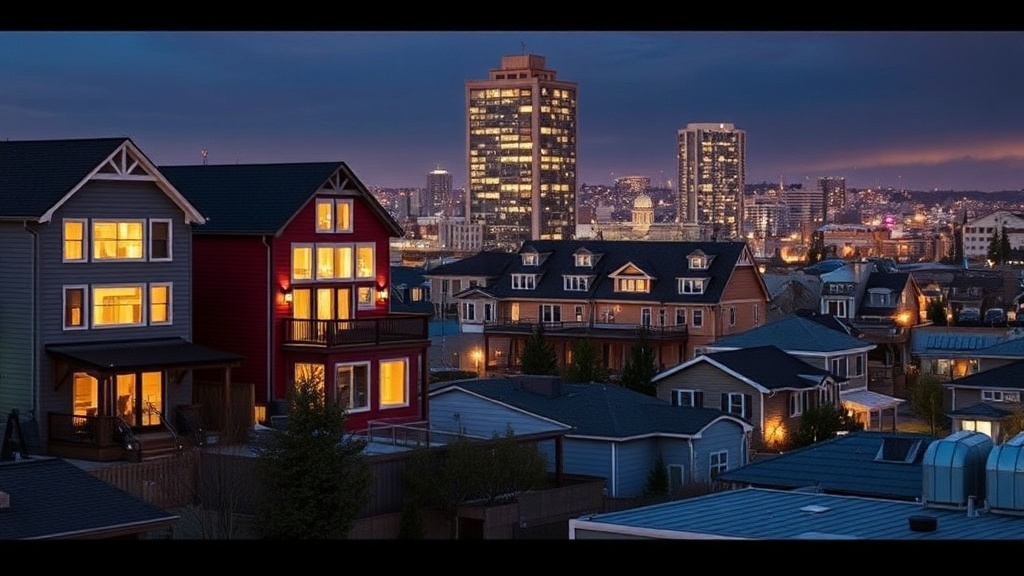
Whitehorse Dwellings: Deciphering the City's Unique Residential Market

Misconceptions about northern living often paint a picture of endless space and surprisingly low costs. While Whitehorse certainly boasts the space and the natural beauty, the reality of its housing market can be quite a different story. This guide aims to cut through common assumptions, offering a grounded look at what truly shapes property values and rental rates here. Whether you're considering a move, or you're a long-time resident looking to better understand local dynamics, we’ll explore the factors at play and help you navigate finding your place in Yukon’s vibrant capital.
Many newcomers arrive expecting a housing market that mirrors smaller southern Canadian cities—perhaps with lower prices to offset the northern latitude. However, Whitehorse presents a distinct landscape driven by unique economic, geographical, and logistical challenges. Understanding these intricacies isn't just helpful; it's essential for anyone engaging with the city's residential sector. We'll delve into the forces pushing prices up, examine the viability of different housing types, and provide actionable advice for securing a home, whether you're looking to rent or buy.
What Really Drives Whitehorse's Housing Prices?
If you're wondering why a city of roughly 30,000 residents in the Canadian North often sees property values comparable to—or even exceeding—those in much larger southern centres, you're not alone. It’s a common point of confusion. The answer lies in a combination of factors that create a perfect storm of constrained supply and consistent demand.
First, consider the sheer geography. Whitehorse is nestled within a valley, surrounded by stunning wilderness. While picturesque, this also means limited developable land. Urban sprawl isn't a simple solution here; environmental considerations, traditional territories, and existing infrastructure all play a role in restricting where new homes can be built. This scarcity creates upward pressure on land values.
Then there are the development costs. Building in the North comes with its own set of challenges. Shipping materials over vast distances adds significantly to expenses. Our shorter construction season means projects often take longer, increasing labor and financing costs. Furthermore, homes here must be built to withstand extreme temperatures, requiring superior insulation, robust heating systems, and specialized foundations, all of which contribute to higher construction outlays.
Demand, surprisingly, remains strong. Whitehorse serves as the economic and administrative hub of Yukon. A stable base of government employment, a resilient mining sector, and a growing tourism industry consistently attract people seeking opportunity and a unique lifestyle. This steady influx of residents—even modest population growth in a constrained market—can have a disproportionate impact on housing availability. The