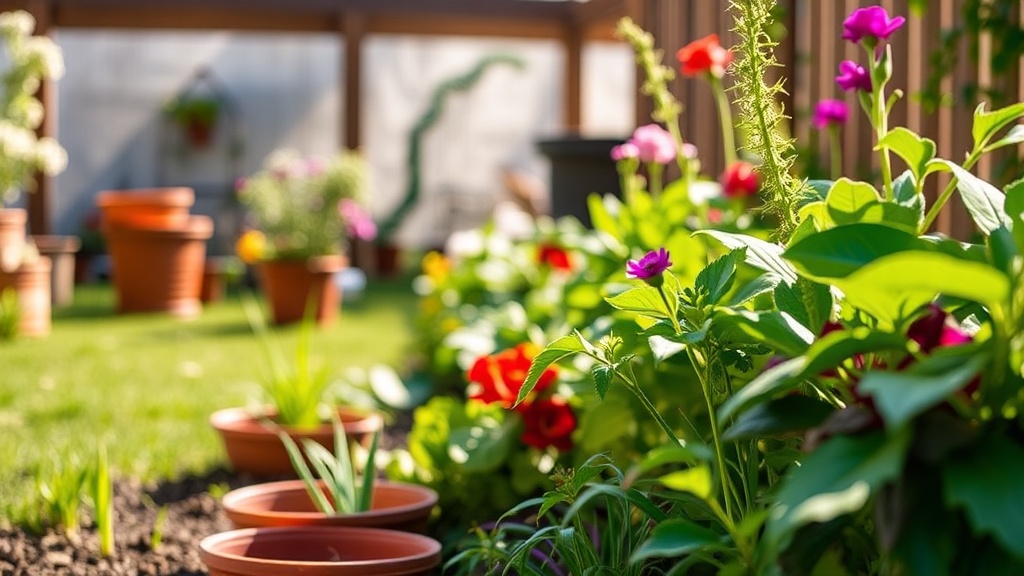
Setting Up Your Own Backyard Garden in Whitehorse

What do you need to start a garden in Whitehorse?
Growing your own food in the Yukon isn't just about a hobby; it's about making the most of our incredibly short, intense growing season. In Whitehorse, the window for gardening is tight, but if you plan correctly, you can produce a surprising amount of greens and tubers. This guide covers the basics of soil preparation, selecting the right seeds for our climate, and managing the unique challenges of the Whitehorse growing season.
First, you have to think about the ground. Whether you're living in the residential streets of the North End or a larger property near the Yukon River, your soil is your foundation. Most of the soil in Whitehorse is quite rocky or heavy with clay. We recommend starting with raised beds. Raised beds allow you to control the soil quality from day one, which is much easier than trying to fix the ground in your backyard. You can pick up high-quality garden soil or compost at local spots like The Garden Center or local hardware stores around town.
Timing is everything here. You can't just follow a standard gardening book from Ontario or BC. In Whitehorse, the frost can linger well into May, and we often see sudden cold snaps in June. You'll want to keep a close eye on the local weather reports. If you're growing in the downtown core or closer to the outskirts, the microclimates can vary slightly. A spot near a south-facing wall might be much warmer than an open field near the airport.
Which crops grow best in the Yukon?
Because our days are so long during the summer, we have a massive advantage in terms of daylight hours. This is why certain crops thrive here even if the temperature is a bit low. Leafy greens like kale, spinach, and lettuce are incredibly reliable in Whitehorse. They actually prefer the cooler nights we get. Root vegetables like carrots and radishes also do well, provided your soil is loose enough.
If you want to try bigger crops like tomatoes or cucumbers, you'll likely need to use a greenhouse or a cold frame. It's hard to get these to ripen outdoors in the Whitehorse climate without some extra help. We've seen many neighbors have success with cold frames to extend the season into September. Don't forget that even if it feels warm in July, a sudden frost can wipe out your hard work if you aren't prepared.
For more detailed information on plant hardiness zones and how they apply to our northern latitude, you can check the Gardenia resources to understand how light cycles affect growth. Even though we aren't a traditional zone, the light intensity here is a huge factor in how we grow.
How do I manage water and soil in Whitehorse?
Watering in the Whitehorse summer can be tricky. It's often quite dry, and the sun is intense. If you're gardening in a backyard in the Porter Creek area, you might notice the wind can dry out your soil quickly. Mulching is a great way to keep moisture in. Using straw or even bark can help prevent the sun from baking the life out of your garden beds.
When it comes to watering, it's best to do it early in the morning. This prevents evaporation and ensures your plants have a reservoir of moisture before the heat of the day hits. If you're using a hose, try to deliver water directly to the base of the plant rather than the leaves. This keeps the foliage dry and reduces the risk of fungal issues, which can still pop up in our humid summer afternoons.
Another thing to consider is the local wildlife. As we all know, Whitehorse gardeners have to deal with more than just bugs. We have to deal with animals too. Depending on where you live, you might need to protect your beds from local fauna. Keeping a watchful eye on your garden is part of the local lifestyle here.
A Quick Comparison of Local Growing Methods
| Method | Pros for Whitehorse | Cons for Whitehorse |
|---|---|---|
| Raised Beds | Easier soil control; better drainage | Requires more initial investment |
| In-Ground | Cheaper; traditional | Harder to manage heavy Yukon soil |
| Greenhouse | Extends the season significantly | High cost and setup time |
Don't be afraid to experiment. Every backyard in Whitehorse is a little different. One year your potatoes might be the stars of the show, and the next, you might find that your greens struggled with a particularly wet June. The key is to keep a journal and note down what worked and what didn't. Our community is full of experienced gardeners, and there is no shame in asking for advice at the local garden center or during a community meetup. We all want to see each other's gardens thrive!
If you are looking for more general information on northern gardening and climate-specific advice, the Northern Gardening tips (while often focused on the broader north) can provide excellent context for how high-latitude growing works. Even though it's not specifically Whitehorse, the principles of managing light and short seasons are very similar.