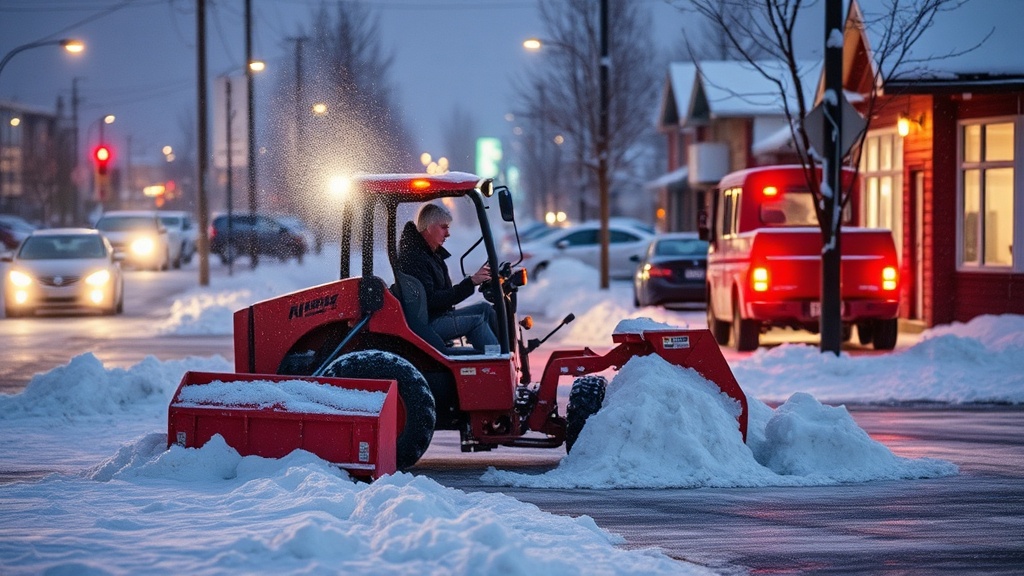
Managing Snow Removal and Winter Sidewalk Maintenance in Whitehorse

Why does snow removal matter so much in Whitehorse?
Imagine waking up on a Tuesday morning in the middle of February. You look out your window toward the driveway or the sidewalk near the 2nd Avenue intersection, and all you see is a white sheet that hasn't moved since the last snowfall. In our community, a sudden heavy snowfall doesn't just mean a beautiful space; it means a logistical puzzle for every household and business in Whitehorse. Whether you live in the residential quiet of Copperbelt or near the busier streets of the downtown core, understanding how we manage snow—and our responsibility to do so—is a matter of safety and neighborly respect.
In Whitehorse, the transition from a light dusting to a heavy accumulation happens fast. We've all been there, staring at a pile of snow that's blocking our car or a sidewalk that's become a literal ice rink. It's not just about the aesthetic of the city; it's about the ability for our local emergency services to move through our streets and for neighbors to walk safely to the local grocery store without a slip. We're going to look at the nuances of what is expected of us as residents and how the city handles the heavy lifting.
Where does the city's responsibility end and yours begin?
One of the most common points of confusion for folks living in Whitehorse is knowing exactly who is responsible for which patch of ground. If you live on a residential street near the Yukon University area, the rules are quite specific. The City of Whitehorse is responsible for clearing the main roadways and public sidewalks in certain high-traffic areas, but for most of us living in residential neighborhoods, the responsibility falls on the property owner. This includes the sidewalk immediately adjacent to your property line.
We need to be clear: if you own a home in the North End or a business along Second Avenue, you are the one responsible for ensuring that the walkway in front of your property is safe for pedestrians. This isn't just about the snow itself, but the ice that forms underneath. A well-maintained sidewalk is a signal to your neighbors that you're looking out for the community. If you're unsure about the specific boundaries of your property or the rules regarding public right-of-ways, checking the official City of Whitehorse website is the best way to stay informed.
How can we keep our sidewalks safe during a Whitehorse winter?
Keeping our walkways clear isn't just a chore; it's a way to prevent accidents that can sideline us for weeks. Here are a few things we should all keep in mind during the colder months:
- Salt and Sand: While salt is common, be careful with over-applying it near local landscaping. In Whitehorse, the salt used can actually damage the roots of certain plants and can be harsh on the local environment.
- The "Snow Pile" Rule: When you're clearing your driveway, try not to pile the snow directly against the sidewalk or in a way that creates a hazard for pedestrians. We want our sidewalks to be wide enough for a stroller or a wheelchair to pass through safely.
- Consistency is Key: Don't wait for the storm to end to start clearing. A little bit of work every morning can prevent the ice from setting in.
We've seen many instances where a simple lack of attention to a sidewalk lead to a minor injury. It's a small effort, but it makes a huge difference in the safety of our community. For more detailed information on municipal bylaws and local services, you can also check the Government of Yukon resources for regional weather and safety protocols.
What are the common issues with snow removal in Whitehorse?
One frequent issue we see in the Whitehorse community is the "hidden ice" phenomenon. This happens when the snow is cleared, but the temperature fluctuates, causing a melt-freeze cycle. The snow melts slightly, then freezes into a sheet of black ice. This is particularly common in areas with high foot traffic or near commercial zones. If you're a business owner, keeping a close eye on these transitions is a vital part of your operations.
Another issue is the sheer volume of snow that can accumulate in a single weekend. During these periods, even the most diligent residents might feel overwhelmed. If you see a public area that has become impassable, it is always better to report it to the appropriate local authorities rather than assuming someone else is handling it. We all have a role to play in keeping Whitehorse functional and safe during the long winter months.
Ultimately, the resilience of our community relies on each other. Whether you're a long-time resident of the downtown area or a newcomer to the Yukon, staying proactive with snow and ice management is one of the best ways to show you care about our shared spaces. A clear path for a neighbor is a small act of kindness that keeps our city moving.