Finding and Preparing Foraging Spots Near Whitehorse

Many people think foraging in the Yukon requires a degree in botany or a specialized guide, but it’s actually just about knowing what to look for and where to step.
Where Can I Find Edible Plants Near Whitehorse?
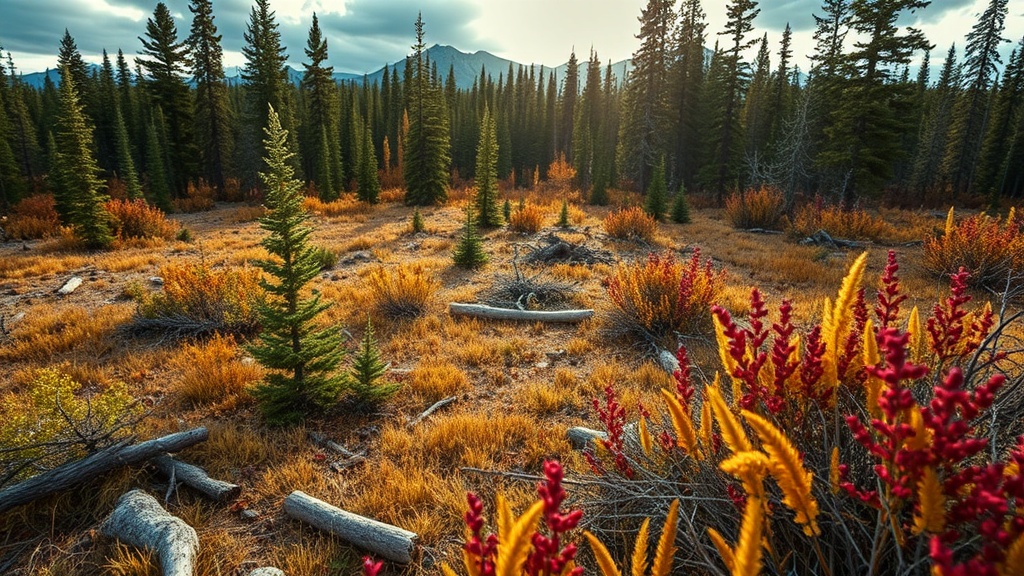
Most edible plants in the Whitehorse area are found in the transition zones between dense forests and open meadows, particularly near river valleys and well-drained slopes. You don't need to trek into the deep wilderness to find high-quality yields; much of the best foraging happens within a short drive of town in areas like the Yukon River valley or the outskirts of the Takhini Valley.
The seasonal timing is everything here. If you head out in late June, you're looking for greenery and maybe some early greens. By August, the berry bushes are the main event. It’s a bit of a moving target.
Keep these locations in mind:
- Riverbank Corridors: The edges of the Yukon River often host willow varieties and various berries.
- Open Meadows: Areas with high sunlight exposure are prime spots for wildflowers and certain greens.
- Forest Edges: The "edge effect" where forest meets clearing is where you'll find things like blueberries and various fungi.
Just remember to check the Yukon Government land use maps before you head out. You don't want to accidentally wander onto private property or protected areas where harvesting is restricted. It’s better to be certain than sorry.
What Are the Best Foraged Items in the Yukon?
The most reliable and abundant items for foragers in our region are wild berries like blueberries, huckleberries, and soapberries, alongside various edible mushrooms and seasonal greens.
Here is a breakdown of what you'll likely encounter during a typical Whitehorse summer:
| Category | Common Varieties | Best Time to Find |
|---|---|---|
| Berries | Blueberries, Huckleberries, Soapberries | Late July – August |
| Greens/Herbs | Fireweed (young shoots), Nettle | Spring/Early Summer |
| Fungi | Chanterelles, Porcini | Late Summer/Rainy periods |
Be careful with things like Fireweed. While the young leaves and flowers are edible, you need to ensure you aren't picking anything that has been sprayed or is growing in contaminated soil. If you're looking for a way to spend a slow afternoon after a hike, you might even find a great way to spend a rainy day at one of the cozy cafes in Whitehorse once you've finished processing your harvest. It’s a nice way to transition from the wild back to the civilized world.
Identifying Wild Berries Safely
Identification is the most important skill you'll develop. One mistake can ruin a whole afternoon—or worse. If you aren't 100% certain about a plant, leave it alone. There is no "maybe" in foraging.
Blueberries are a staple here. They're easy to spot and even easier to eat. Huckleberries are slightly more tart and often found in the shade of larger trees. Soapberries are a local classic, though they require a bit of preparation to make them palatable. You'll want to use a high-quality field guide, such as those found on Wikipedia's resource pages for North American flora, to cross-reference what you see.
A quick tip: Always look at the leaves and the stem, not just the fruit. The fruit tells you what it is, but the leaves tell you how it grows. That's a huge part of the identification process.
What Gear Do I Need for Foraging?
You don't need a lot of specialized equipment, but having the right tools makes the process much more efficient and keeps your harvest fresh. A sturdy basket, a small knife, and a reliable identification guide are the basics.
I highly recommend bringing a mesh bag or a breathable basket. If you put berries in a solid plastic container, they'll start to sweat and turn to mush before you even get home. It's a rookie mistake that's easy to avoid.
For footwear, don't skimp. You aren't just walking; you're stepping over roots, through brush, and potentially through boggy areas. A pair of waterproof hiking boots—think Patagonia or even standard Blundstones if the terrain is dry—will save your ankles. If you're out in the brush, a lightweight long-sleeve shirt is also a smart move to protect against insects and scratches.
Don't forget these essentials:
- A Small Foraging Knife: For clean cuts of mushrooms or stems.
- Magnifying Glass: Useful for looking at the fine details of a leaf or petal.
- Field Guide: A physical book is often better than a phone, as battery life and signal are unreliable in the bush.
- Hand Sanitizer: Always clean your hands and your tools before handling food.
The more you practice, the more natural it feels. It's not just about the food; it's about the observation. You start to see the subtle differences in the way a leaf curls or the way a stem sits. It's a different way of looking at the world around us.
If you're new to this, start small. Don't go out with the intention of filling a whole basket. Just go out to find one specific thing. It keeps the pressure off and makes the learning process much more enjoyable. You'll find that once you recognize one plant, you'll start seeing its neighbors everywhere. It's like a secret language that the landscape is speaking to you.
One thing to keep in mind—and this is a big one—is the local wildlife. We live in bear country. If you're out foraging, you're essentially a person standing still, looking down, and being very quiet. That's a recipe for a surprise encounter. Always carry bear spray and make a bit of noise every now and then. It's better to be loud and annoying than to be a surprise for a grizzly.
As you get more comfortable, you'll start to develop your own spots. You'll notice that the berries are ready a week earlier in the valley than they are up on the ridge. That knowledge is what makes you a local. It's the difference between just being a tourist and actually living in the Yukon.
Steps
- 1
Research Local Species
- 2
Gather Essential Gear
- 3
Identify and Verify
- 4
Harvest Respectfully